Lonely Heart Font Review for Luxury Branding
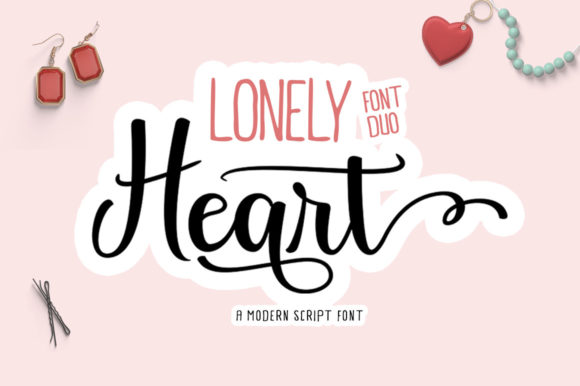
I still remember the exact moment I realized my small business needed a visual upgrade. I was sitting at my kitchen table, surrounded by half-empty coffee cups and stacks of plain white product labels for my new line of hand-poured soy candles. The scent was perfect, the wax blend was flawless, but when I held up a jar with my old, generic sans serif label, it just didn’t scream "premium." It looked like something you’d find in a discount bin, not a boutique shelf. That was the day I decided to stop treating typography as an afterthought and start treating it as a core part of my brand identity. That search led me to Lonely Heart, a lovely duo font sans serif and script that completely transformed how my products present themselves.
If you are a creative consultant or a small business owner looking to elevate your visual presence, you know that fonts do more than just convey text; they set the mood. After testing Lonely Heart across various materials—from Instagram story templates to physical thank-you cards—I can confidently say this typeface adds a luxury spark to any design project that you wish to create. It bridges the gap between modern cleanliness and romantic elegance, making it one of the most versatile Script Handwritten options I’ve encountered for commercial use.
Why Lonely Heart Works for Elegant Packaging Design
When I first installed the Lonely Heart files, I was immediately struck by its dual nature. As described in its specifications, it is a lovely duo font sans serif and script combination. This isn’t just two random fonts bundled together; it’s a cohesive system designed to work in harmony. For a candle seller or a beauty brand, this means you don’t have to hunt for a matching pair. You get a unified voice out of the box.
I tested this on my candle jars using the script portion for the product name—like "Midnight Lavender"—and the clean sans serif element for the weight and ingredients. The result was instant sophistication. The script feels personal and handwritten, which builds trust with customers who value handmade quality, while the sans serif counterpart provides readability and structure. This balance is crucial for packaging design, where space is limited but impact needs to be high. Unlike other decorative fonts that become illegible at small sizes, the structural integrity of the sans serif elements ensures that your critical information remains clear even on tiny stickers or tags.
The versatility here is key. Whether you are designing for a bakery updating their cookie boxes or a boutique creating hang-tags for clothing, Lonely Heart offers the flexibility to shift tones without breaking brand consistency. It allows you to maintain a professional look while still feeling approachable and warm.
Lonely Heart for Social Media Graphics and Digital Ads
In today’s digital-first economy, your online shop banner and social media graphics are often the first point of contact with a potential customer. I used to struggle with finding fonts that looked good both on a mobile screen and in a printed flyer. Many elegant scripts become pixelated or hard to read on smaller devices, and many bold display fonts feel too aggressive for a lifestyle brand.
Lonely Heart solves this problem beautifully. When I created a series of Instagram posts promoting a seasonal collection, I used the script font for short, punchy headlines like "New Arrivals" or "Limited Edition." The curves of the letters caught the eye and stopped the scroll, adding that touch of glamour that drives engagement. For the body text or call-to-action buttons, I paired it with a neutral background and kept the messaging simple, letting the font carry the emotional weight.
This font is particularly effective for content creators and bloggers who want to establish a recognizable brand identity across platforms. Because it is PUA encoded, accessing all of the amazing alternate characters and ligatures is seamless within most design software. This means you can add subtle stylistic flourishes to your headers without manually manipulating paths or dealing with broken glyphs. These small details signal to your audience that you pay attention to quality, which increases perceived value before they even click on your product page.
Enhancing Customer Experience with Thank-You Cards
One of the most underrated aspects of small business branding is the unboxing experience. I started printing thank-you cards for every order, and the choice of typography made a massive difference. Using Lonely Heart for the header of the card gave it a letter-quality feel, as if it were written personally by the founder. It turned a standard piece of paper into a keepsake.
For businesses selling digital downloads, templates, or coaching services, this level of polish helps justify premium pricing. When your design assets look expensive, your customers assume your service is valuable. The script font adds a human touch to digital interactions, reducing the distance between seller and buyer. It’s a small investment in typeface licensing that pays off in customer loyalty and repeat purchases.
Technical Ease and Commercial Licensing Considerations
As a non-designer running a business, technical hurdles can be a major barrier. I appreciate that Lonely Heart is straightforward to implement. However, because it is PUA encoded, it requires specific setup in applications like Adobe Illustrator or InDesign to access the full character set properly. If you are working with a designer, ensure they understand how to handle PUA encoding to avoid missing symbols or garbled text. For those using simpler tools like Canva, check if the font is available in the library, as some advanced PUA features might not render in browser-based editors.
Before purchasing, always review the commercial font license. Since we are discussing Fonts for business use, understanding whether you need a desktop license for print materials or an extended license for merchandise (like t-shirts or mugs) is vital. Lonely Heart is marketed as a creative font suitable for a wide range of projects, but verifying the terms ensures you stay compliant. Look for included styles, weights, and multilingual support if you plan to sell internationally. Having these details upfront saves time and prevents legal headaches later.
Pairing Lonely Heart for a Cohesive Brand Identity
While Lonely Heart is powerful on its own, pairing it correctly can elevate your entire brand identity. I found that it pairs exceptionally well with clean, minimal sans serif fonts for secondary information like addresses, barcodes, or fine print. The contrast between the elegant script and the utilitarian sans serif creates a hierarchy that guides the reader’s eye naturally.
For editorial design or website headers, you might pair it with a classic serif font to lean into a vintage or literary aesthetic. This combination works wonders for book publishers, stationery brands, or high-end tea shops. The key is to let Lonely Heart shine as the star. Use it for headlines, logo design accents, and short phrases. Avoid using it for long paragraphs of text, as the handwritten style can become fatiguing to read over large blocks. Instead, reserve it for moments where you want to inject personality and emotion.
In conclusion, upgrading your typography doesn’t require a complete redesign of your logo or a massive marketing budget. Sometimes, it just takes the right typeface. Lonely Heart offers the luxury spark and professional polish that small businesses need to compete in crowded markets. By integrating this Script Handwritten font into your packaging, digital ads, and customer communications, you create a consistent, memorable experience that resonates with your audience. It’s a practical, stylish choice for anyone ready to take their brand from amateur to artisan.